Who owns your spice blend formula is a common refrain mentioned in the spice and seasoning industry. In this article, we will dive into a harrowing scenario that can affect anyone who has developed a spice blend.
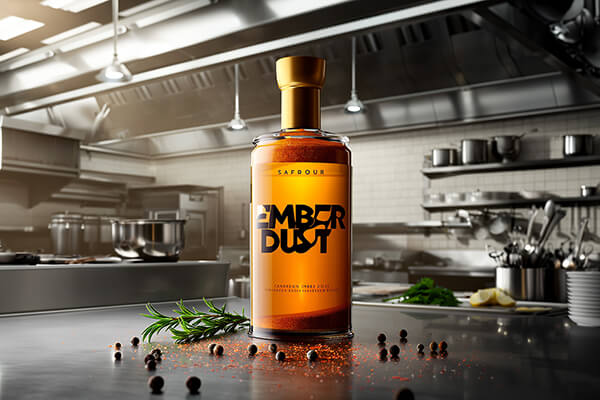
Imagine this situation. You spend weeks, months, or years perfecting your seasoning blend. You produce countless iterations and wear out your taste buds, trying each version of your blend, sensitive to the slightest variations in flavor. You pour your effort and culinary expertise into crafting a masterpiece of a spice blend. (Fig 1)

Everyone who tries your blend loves it. Friends and family can’t get enough. You begin producing, bottling, and labeling the blend yourself. Although it is difficult and time-consuming, the result makes it worthwhile. You’re selling jars at farmers’ markets and within your quickly expanding circle of interest. You have momentum.
You realize that you could sell more, possibly a lot more, if you had the time to promote your brand effectively. You are considering launching an e-commerce site. There’s been interest from local grocery stores that would like to carry your product. You’ve begun working on a couple more blends and flavor variations of your original creation.
You understand that your current production strategy is not scalable. It isn’t easy to find the ingredients. Your blend is not as consistent as you’d like. There is no lot traceability. Your labels are not compliant. You need help.
Seeking Help from a Spice Manufacturer
You begin contacting manufacturers that can produce your blend at scale. Some businesses fail to answer the phone, return calls, or respond to emails promptly. Others don’t seem interested in working with your company. You’re too small. The spice companies that you can connect with have MOQs (minimum order quantity) that are excessive, far exceeding your budget and space limitations.
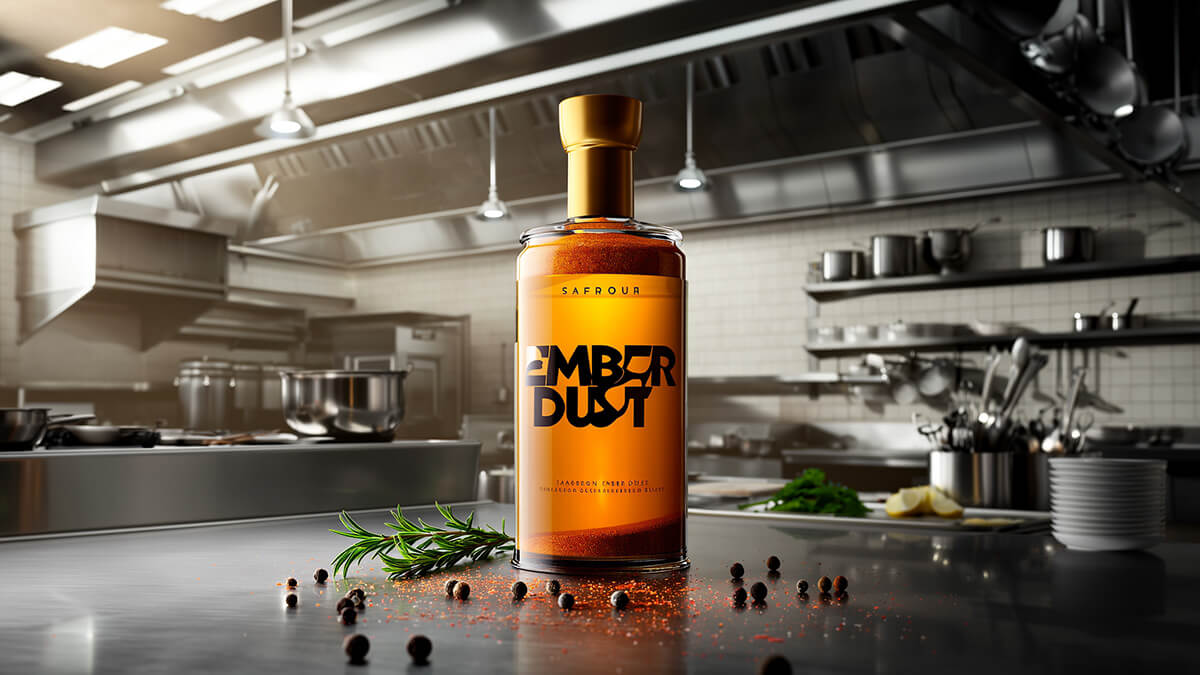
Finally, you connect with a spice company that appears to be a good match. You sign a non-disclosure agreement and share your recipe. It takes a few tries, but their product development team matches the formula to your approval. Pricing makes sense. You decide on a container, and labels are printed. You place your first order, and a few weeks later, your bottles are delivered. The product looks great. (Fig 2)
Now, you have time to focus on selling. E-commerce sales exceed expectations. Your blend is available online through several websites. You’re considering selling your seasoning on Amazon. You place additional orders. Over time, you learn that your seasoning blend production partner has made tweaks to your blend. Perhaps a flow agent was added as a processing aid. Ingredient vendors were changed, resulting in minor modifications to the flavor profile. Some of these changes were communicated to you, but others were not. You’re not comfortable with this, but you have orders to fill and now have five seasoning blends to manage.
Things begin to change. Your seasoning manufacturer is not as responsive as it used to be. Perhaps your primary contacts have changed roles or left the company. You’ve received several price increases, making it hard to turn a profit. “Supply chain issues” have caused delays in your orders. One or two ingredients are no longer available. You need another solution.
Luckily, you discover another spice and seasoning company, like Vanns Spices, that appears to be a great fit. You are eager to get things moving with your new partner—a fresh start. The first step is to share your recipe with their R&D team. They will provide a sample for your approval, and production can commence quickly. You hunt for your blend recipes and sift through paperwork and computer files. You can’t find them. Were they in the Excel file on that laptop that crashed? But does it even matter since your previous vendor has adjusted the blends slightly?
No worries, you can get the recipes from your prior manufacturer. After all, they are yours. You spent all that time creating them. A feeling of unease creeps into your gut. You call and send emails to your previous manufacturing partner. Your request is simple. Please send me the ingredient breakdown of my blends. You don’t need the ingredient vendors, just the names of the components and the percentages at which they are in the blend. Now, who owns my spice formula? You own them.
Wrong, at least according to your prior partner. After days, weeks, or months of bureaucratic runaround, you are finally told that the recipe can’t or won’t be shared. A variety of reasons are offered. Changes made to the original formula fundamentally altered the blend to the point that ownership was transferred to the vendor. Perhaps there is an unspoken, nefarious reason. Regardless, it appears that you do not own your formula.
This is a nightmare scenario. Your first thought is to sue the vendor. However, this would require time and money that you don’t have. Your next idea is to visit the spice vendor’s facility. But this could lead to confrontations and escalations. You come to the sad conclusion that your recipes are no longer under your control. They are gone!
Don’t let this nightmare scenario happen to you. Ensure that ownership of your formula is explicitly defined and that you retain ownership of it, regardless of any modifications made over time. Make sure that your formula can not be sold or used without your knowledge and consent. Ensure that your spice and seasoning manufacturer operates with integrity and in a true partnership.
Vanns Spices is your brand partner. You will always retain ownership of your formulas when you work with us. Our R&D team is ready to support your creative process. And if you fall prey to the nightmare scenario described above, Vanns can help by reverse engineering your blend and collaborating in the best way to get you back into production.
How to Protect Your Spice Blend Forumla
Who owns your spice blend formula if recipes are generally not patentable? Seasoning blends can be trademarked, but not the recipes or the blends in terms of ingredient lists and proportions. Instead, trademarks protect the brand elements associated with the seasoning blend. Brand elements include the name of the blend, artwork, and marketing slogans.
In the unlikely event that your efforts to receive a patent on a recipe are successful, this would require public disclosure (in the trademark filing) of the recipe and process, making it no longer a secret.
Take the secret blend of 11 herbs and spices developed by Kentucky Fried Chicken (KFC), for example. KFC protects its recipe as a trade secret. To protect the recipe, KFC contracts with two spice manufacturers to produce its secret blend. McCormick & Company and Griffith Foods each produce one-half of the recipe, to prevent either company from having the full recipe. The full recipe is locked in a vault, and its contents are said to be known by only a select few.
The best way to ensure a recipe or process is protected is to keep the ingredients secret. If you are working with a spice manufacturer, ensure you obtain a signed NDA (non-disclosure agreement) to prevent your list of ingredients from becoming public.
 Partner with Vanns Spices
From custom blends to private label, low MOQs, and SQF Certified—start your request today!
Get StartedAsk Alejandro!

Have a question or comment about something you just read? Send me a message and let me know how I can help you.
Message Me