Top private label spices for 2026 include za’atar, garam masala, turmeric blends, and smoky BBQ rubs. The global private-label brand segment (spices and seasonings) is expected to reach USD 5,184.5 million by 2030. The market is expected to grow at a CAGR (2025 – 2030) of 10% by 2030 1.
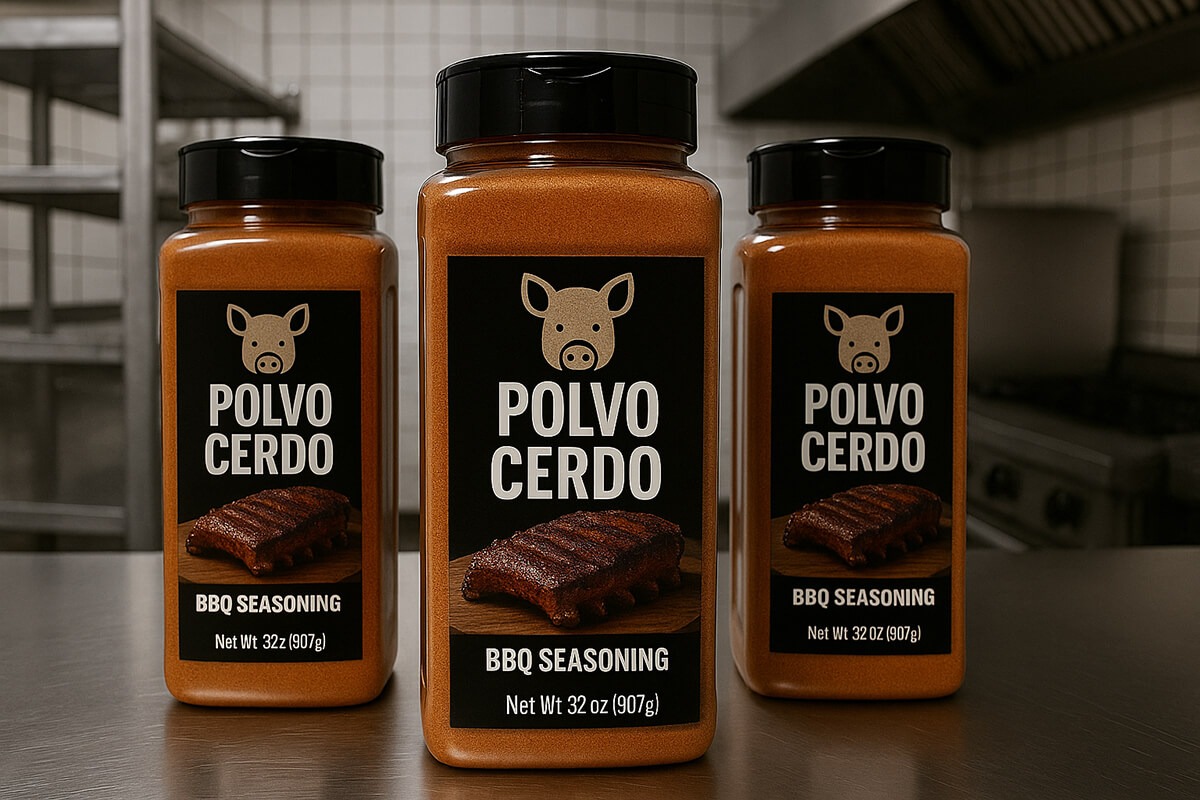
Struggling to pick private label spices that will fly off the shelves in 2026 amid rising demand for bold flavors? Many retailers miss out on trends like global blends and adaptogens, leaving sales stagnant. This article reveals the top 2026 picks, from za’atar to smoky BBQ rubs (Fig 1), backed by forecasts showing private label spices surging in the US market.
The spice aisle is changing fast. Retailers are no longer just stocking big national brands; they are building their own culinary identities. Private label spice products manufactured by a third party but sold under a retailer’s brand have shifted from budget alternatives to premium necessities.
For grocery chains, specialty shops, and food brands in 2026, the opportunity is massive. Consumers want specific, high-quality flavors, and they trust store brands to deliver them. Whether it’s a turmeric blend or a custom BBQ rub, owning the label means owning the customer relationship. This guide breaks down exactly which spices are winning this year and how to source them effectively.
What Are Private Label Spices?
Private label spices are seasonings produced by a specialized manufacturer, such as Vanns Spices, but packaged and sold under a retailer’s or food company’s unique brand name. In the past, these were often viewed as “generic” or low-cost options. Today, that dynamic has flipped. Private label products now frequently offer higher quality and greater innovation than legacy national brands because retailers can react faster to trends.
This approach allows businesses to control pricing and margins without the ongoing costs related to maintaining an FDA-approved facility, labor, raw material inventory, or packaging equipment.
Why Private Label Spices Will Dominate in 2026
The shift toward store brands is driven by economics and consumer trust. Shoppers in 2026 are savvy; they know that the “store brand” often comes from the same high-quality sources as national brands. Retailers realize that spices are high-frequency purchases that build loyalty. If a customer loves your specific steak rub, they have to come back to your store to get it.
The numbers back this up. The private label market was expected to reach $277 billion in sales in 2025, setting the stage for massive dominance in 2026. This growth isn’t slowing down. As retailers expand their offerings to include organic and specialty blends, the private label sector is outpacing traditional brands in both volume and innovation.
Top Private Label Spices for 2026
This year, the demand isn’t just for salt and pepper. Shoppers are looking for adventure and specific functional benefits in their cooking. Retailers finding success in 2026 are stocking a mix of heat, comfort, and global aromatics.
Here are the primary categories driving sales right now:
- Hot Spices: Capsicum (chillies), cayenne pepper, ginger, mustard, and various peppercorns.
- Mild Spices: High-quality paprika and coriander.
- Aromatic Spices: cardamom, cassia, cinnamon, clove, and cumin.
Consumers are cooking more adventurous meals at home, and they want shortcuts to authentic flavors. Single spices are essential, but complex blends are where the real growth is happening. Blends like Za’atar, Garam Masala, and regional chili mixes let home cooks achieve restaurant-quality profiles without buying 10 different jars, many of which will be used only once.
Wellness remains a massive driver in the spice aisle. Ingredients like turmeric and ginger are no longer just flavorings; they are purchased as functional supplements for cooking. Shoppers are looking for “clean label” transparency. They want to know the origin and purity of what they are eating.
While exotic flavors are growing in popularity, comfort foods are evolving. American staples like BBQ rubs are getting more sophisticated, moving beyond basic brown sugar and salt. We are seeing a trend toward sweet-and-spicy profiles and rich, umami-packed seasonings. Umami seasonings, for example, include: mushroom powder, nutritional yeast, soy powder, nori, miso, and tomato powder, combined with more traditional BBQ spices such as paprika, chili, garlic, brown sugar, and salt.
The appetite for these flavors is undeniable. Recent reports indicate that demand for barbecue-style wings surged by an astounding 373% year over year. Retailers should focus on BBQ rubs that offer layered heat—balancing sweetness with savory, smoky elements.
How Private Label Spice Production Works
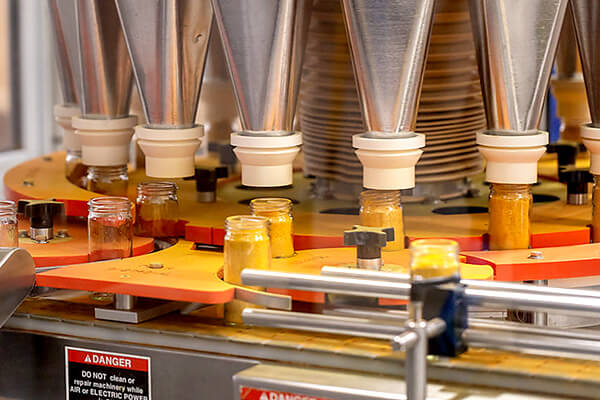
Creating a private label spice line involves a partnership between a retailer and a dedicated spice manufacturer. (Fig 2) It is rarely a simple “re-labeling” of existing stock. The private label process usually involves selecting specific raw material grades, defining the grind size, and choosing packaging that fits the retailer’s shelf aesthetic.
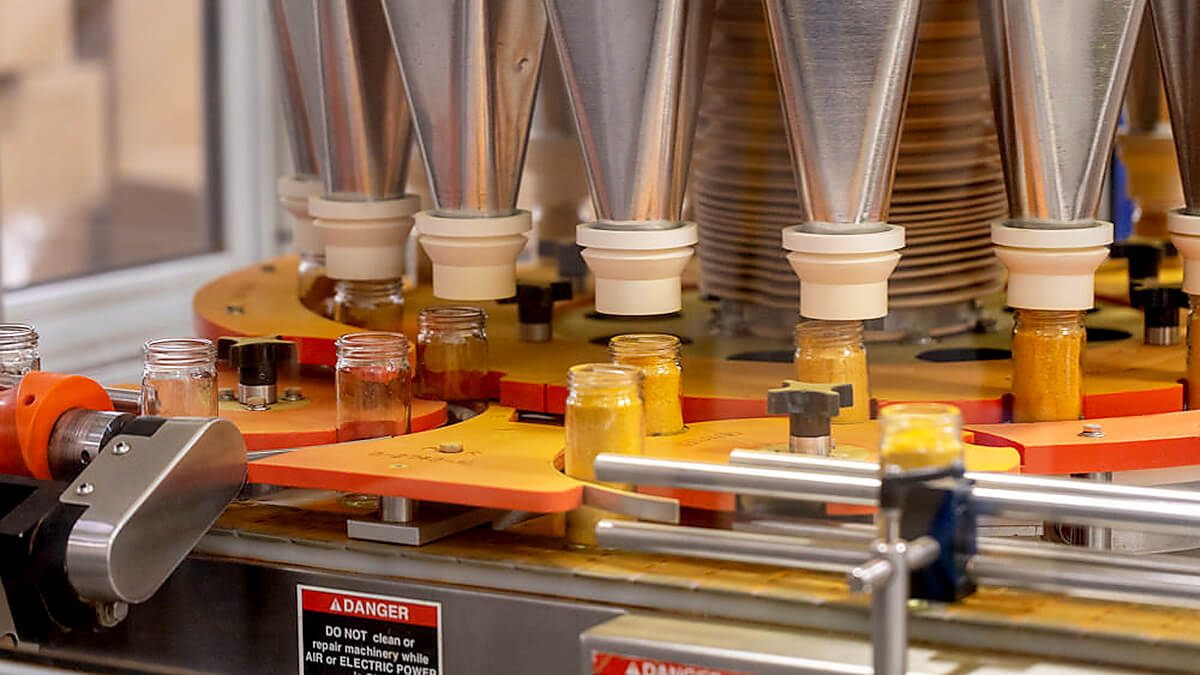
The first step is deciding what goes into the bottle. Retailers can choose “stock” formulas (standard garlic powder) or custom blends (a signature steak rub).
Because spices are agricultural products, they are susceptible to contamination if not handled properly, making safety a priority. Reputable manufacturers require steam sterilization, metal detection, and microbial testing before the product ever enters the facility.
This scrutiny matters to shoppers. Surveys show that nearly 60% of consumers read ingredient labels more closely now, driving demand for cleaner, more purposeful seasoning blends. If a retailer’s private label has a recall or quality issue, it damages the store’s reputation, not just the spice brand, and ultimately jeopardizes the spice manufacturer’s reputation.
The final physical step is packaging. This is where the product wins on the shelf. In 2026, we expect to see a shift away from generic plastic bottles toward sustainable glass jars, refillable pouches, and minimalist designs that highlight the spices’ vibrant colors.
Effective packaging does two things:
- Protects the product: UV protection and air-tight seals keep spices potent.
- Communicates value: Clear labels that list the origin (e.g., “Vietnamese Cinnamon” vs. just “Cinnamon”) signal premium quality to consumers.
Best Practices for Retailers Sourcing Private Label Spices
Sourcing spices is not a “set it and forget it” task. The market fluctuates based on harvest yields, geopolitical issues, and changing tastes. Retailers need to be proactive to maintain high margins and keep customers happy.
Success comes down to three main pillars: understanding your specific customer base, choosing a partner that can handle your volume, and navigating the complex economics of global trade.
Analyze Local and National Trends
Don’t just stock what everyone else stocks. Look at what is selling in your specific region. Are your customers buying more seafood? Stock specialized Old Bay-style blends. Are they baking? Focus on high-oil cinnamon and nutmeg.
The broader market is growing rapidly, with the North American spice market projected to continue to grow at double-digit rates through the end of the decade. Retailers who monitor these trends, including the surge in online spice sales, can pivot their inventory before the competition catches up.
Vet Manufacturers for Quality and Scalability
Your spice manufacturer is your engine. You need a partner who can scale with you. A common issue retailers face is starting with a small blender that makes a great product, but cannot handle a 500-store rollout.
Ask these questions when vetting partners:
- Do they have SQF (Safe Quality Food) certification
- Can they source organic and non-GMO ingredients
- What is their lead time during peak seasons
- Do they have backup suppliers for key ingredients
- Who owns the spice formula
Optimize Pricing and Distribution
Price volatility is real in the spice world. A bad crop in Vietnam can double the price of pepper overnight. Retailers must work with manufacturers who have diversified supply chains to avoid stockouts or sudden price hikes.
Supply chain stress is expected to be a constant factor in 2026. Tariffs and climate change affecting growing conditions continue to make single-source raw material strategies risky. Smart retailers lock in contracts early or use “cost-averaging” strategies to keep shelf prices stable for consumers.
Common Mistakes in Private Label Spice Ventures
Even with the best intentions, private label launches can fail. The most common error is sacrificing quality for margin. If your store-brand paprika is flavorless compared to the national brand, the customer may assume all your store-brand products are inferior.
Another mistake is over-assortment. Launching 50 SKUs at once can confuse shoppers. This also increases the MOQs and the risk of carrying too much inventory. It is often better to start with the top 15 best-sellers (Black Pepper, Sea Salt, Garlic, Paprika, etc.) and a few signature blends, then expand based on sales data.
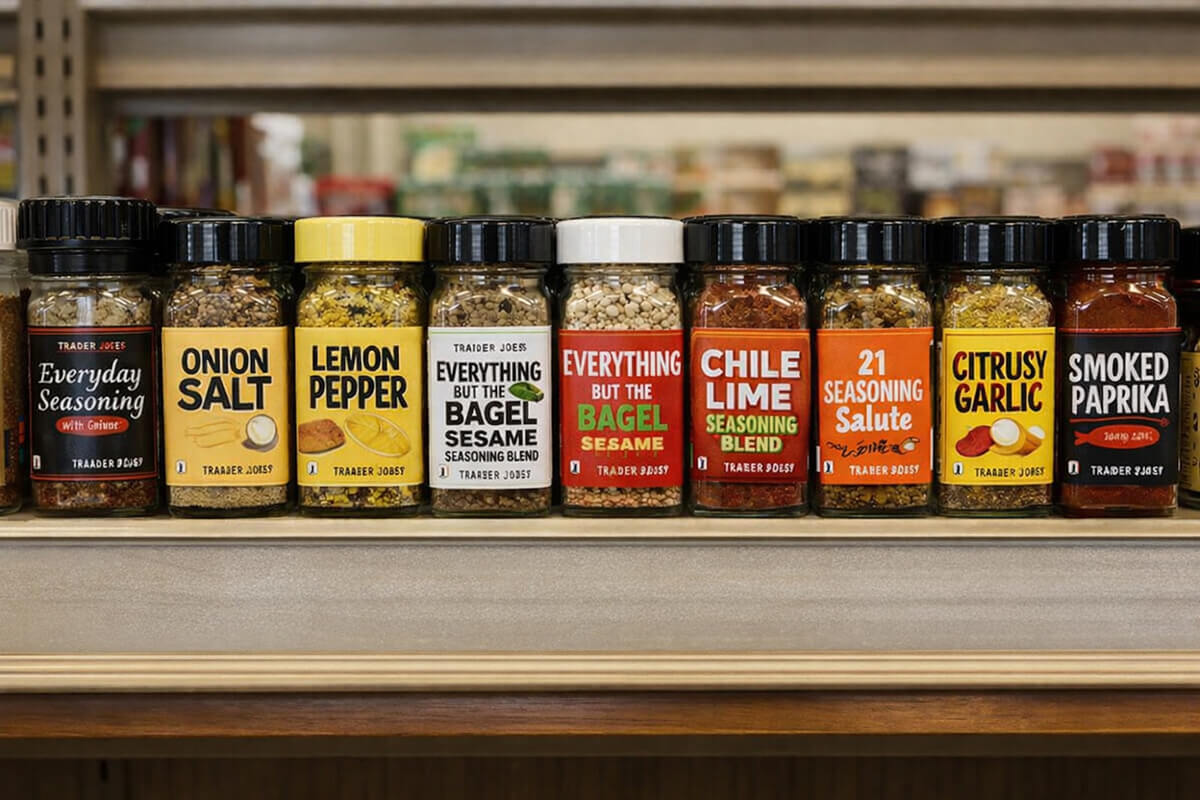
Take the example of Trader Joe’s, which typically carries a very small selection of spices and a lineup of proprietary seasoning blends, including Everything But the Elote and Everything But the Bagel Sesame Seasoning. (Fig 3) Many of their seasonings are rotated in and out of inventory based on sales data and seasonal adjustments.
As mentioned earlier, relying on a single source for spices is a recipe for supply chain volatility. Best practice is to ensure the company producing your private label spices and seasonings can source from different regions to mitigate adverse growing conditions, tariffs, and logistical issues.
Finally, failing to market the product is a missed opportunity. Place your private-label spices at eye level and use them in your prepared-foods section to cross-promote flavor.
Why Vanns Spices Leads Private Label in 2026
For retailers looking to capitalize on the growing private label market, Vanns Spices remains a premier partner. Vanns understands the balance between traditional quality and modern innovation. We don’t just fill bottles; we help partners build culinary success stories.
Vanns specializes in high-quality sourcing that meets consumers’ rigorous demands. Whether you need a custom BBQ rub, an organic turmeric blend, or a classic Chesapeake Bay seasoning, our facility is equipped to handle custom formulation and scalable production. We prioritize clean labels and authentic flavor profiles, ensuring your private label stands out as a premium choice, not a budget compromise.
Sources
1. Grand View Research, Inc.
 Partner with Vanns Spices
From custom blends to private label, low MOQs, and SQF Certified—start your request today!
Get StartedAsk Alejandro!

Have a question or comment about something you just read? Send me a message and let me know how I can help you.
Message Me