

The impact of tariffs on the American spice industry is reshaping how spices are sourced, priced, and consumed across the nation. According to the American Spice Trade Association, in 2024, the U.S. imported more than $2 billion of spices from 50 different countries. (Fig 1)
With tariffs as high as 50%, the impact extends across the supply chain, increasing costs for manufacturers, altering sourcing strategies, and ultimately driving up prices for American consumers.

One reason tariffs sting so sharply is that many spices cannot be grown in the U.S. Up to 60 percent of imported spices have no domestic alternative. Black pepper, for instance, requires the tropical and humid conditions of equatorial regions. While small amounts are cultivated in Hawaii, Puerto Rico, and Florida, production is nowhere near the scale required to meet national demand. In 2024 alone, the U.S. imported $1.12 billion worth of pepper, primarily from Vietnam ($405M), India ($173M), Mexico ($155M), China ($104M), and Spain ($96.5M). Dependence on foreign supply leaves American buyers highly exposed when tariffs climb.
Industry groups have been urging Congress to take action. The American Spice Trade Association, in a letter to lawmakers, has requested exemptions for spices that cannot be grown commercially in the United States. Vanilla, cinnamon, saffron, nutmeg, cumin, and turmeric are just a handful of familiar staples on that list. Without relief, the burden of tariffs continues to fall on both large and small companies, ultimately affecting the American consumer. (Fig 2)
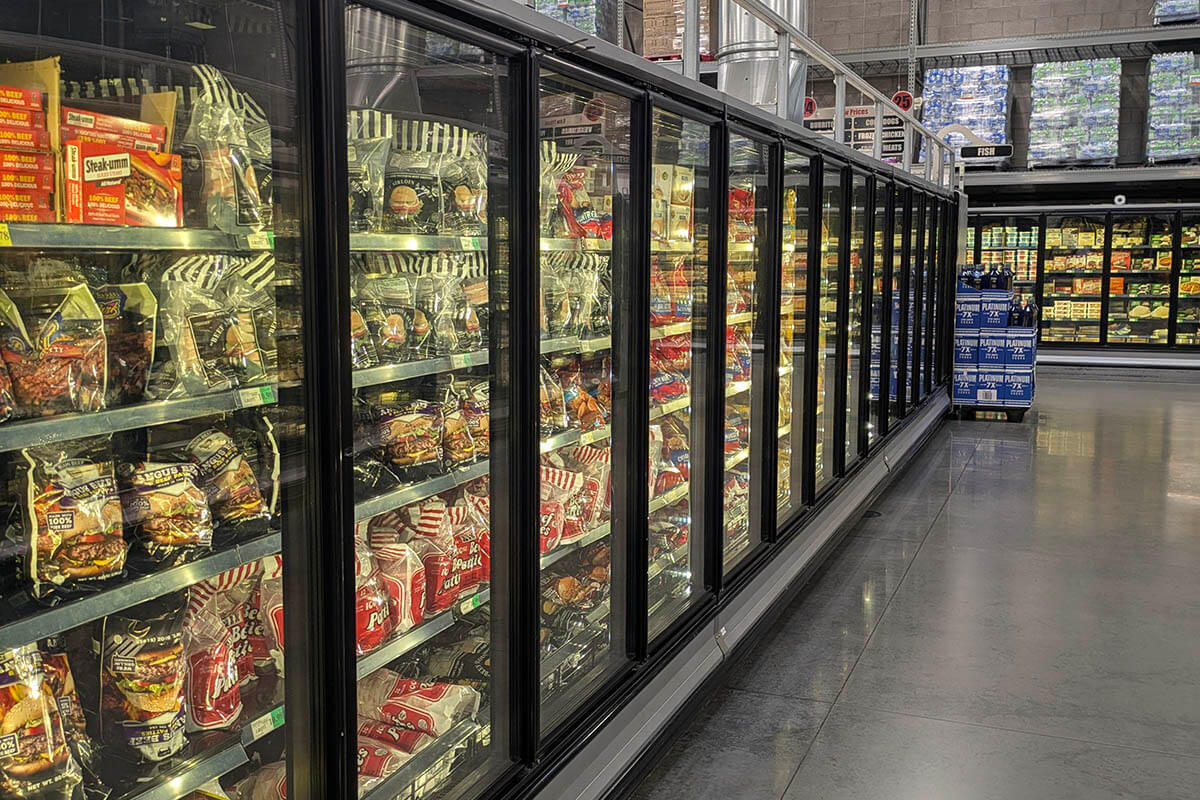
Bigger players, such as McCormick, have some room to maneuver through global sourcing and cost-cutting measures, but even they estimate that tariffs could add as much as $90 million in annual expenses.
Smaller firms, such as Vanns Spices, have less flexibility. We typically purchase from mills that import, clean, and grind raw spices, meaning tariff costs are passed on to us in the price per pound.
“Tariffs on imported spices create several challenges, including increased procurement costs, supply chain disruptions, and potential shortages,” said Allyson Lewis, CEO of The Spice House. For businesses with thinner margins, the added costs can mean scaling back innovation, cutting hiring budgets, or reducing investment in packaging and shipping.
The timing of tariffs also matters. Large importers stock up in the third quarter (Q3) to prepare for fourth-quarter (Q4) holiday demand, which means higher prices are baked into products long before they reach store shelves. Even if tariffs were lifted late in the year, the impact would already be felt by consumers during the peak shopping season and beyond.
And with food manufacturers facing pressure to keep products affordable, some may return to artificial flavorings as a cheaper substitute, reduce the package size (shrinkflation), or substitute cheaper ingredients.
In addition to higher prices on spice products, some companies are reducing their hiring budgets, cutting back on innovation, and seeking cheaper shipping and packaging alternatives to offset the increased cost of spices resulting from tariffs. Uncertainty around tariff rates can also reduce consumer and corporate confidence, contributing to broader economic slowdowns.
The Ripple Effect of Tariffs Across the Food Industry
Tariffs on spices don’t stop at the spice aisle. Because many packaged foods rely on imported spices for seasoning, the cost increase is reflected in a wide variety of products. Snack makers, for example, face higher costs for chili powder and paprika used in chips. (Fig 3) Bakers contend with more expensive cinnamon and nutmeg for cookies and cakes. Beverage companies also feel the pinch when the prices of vanilla or ginger rise.
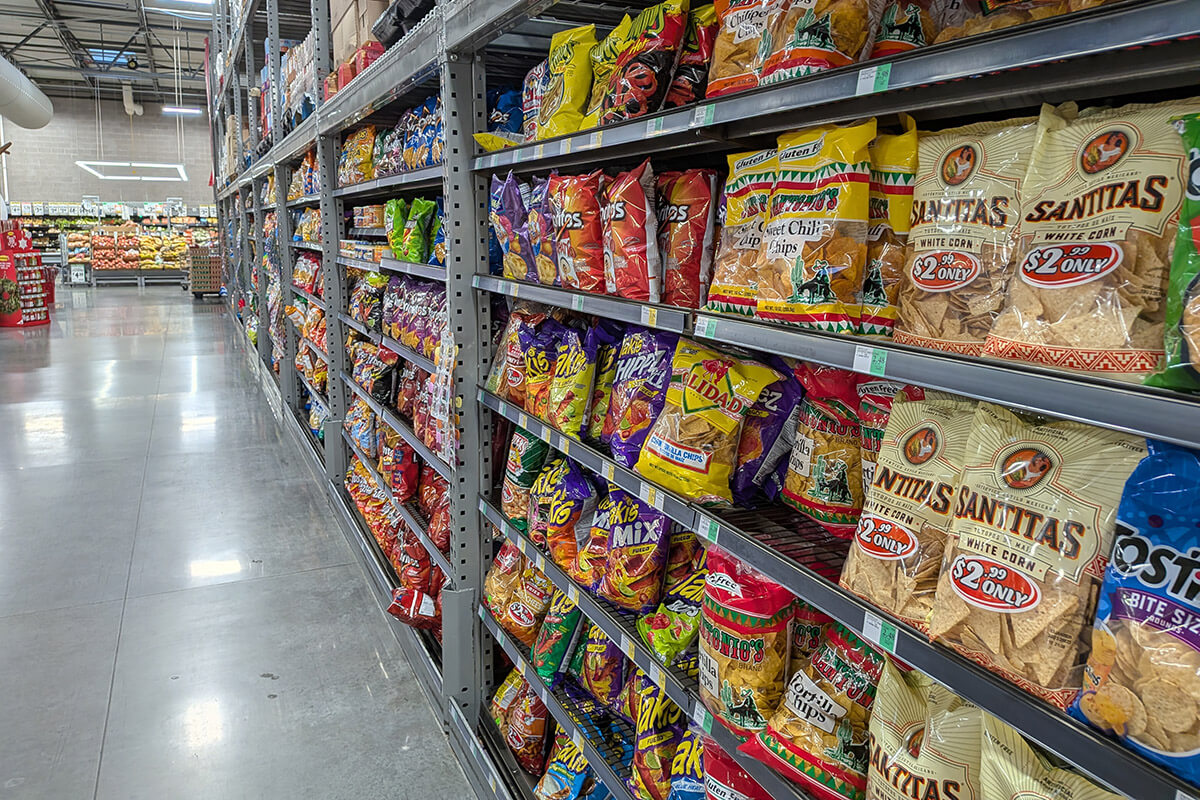
For large corporations, these costs may be spread across dozens of product lines, softening the blow but still resulting in higher shelf prices. For smaller food manufacturers, however, a tariff-driven spike in a key ingredient can erase already slim profit margins.
In both cases, the impact reaches consumers in the form of higher grocery bills or subtle changes in products, such as reduced spice content, altered recipes, or shrinkflation in package sizes.
Ultimately, it is American households that bear the brunt of the cost. Whether through higher grocery bills, fewer product choices, or declining quality, tariffs on spices have far-reaching effects that extend beyond the realm of trade policy. They influence what ends up on our plates and the cost of keeping our food flavorful.
 Partner with Vanns Spices
From custom blends to private label, low MOQs, and SQF Certified—start your request today!
Get StartedAsk Alejandro!

Have a question or comment about something you just read? Send me a message and let me know how I can help you.
Message Me