
It’s an age-old frustration. You tear into a bag of potato chips and are crestfallen to find the bag half empty. The initial assumption is that the chip company is ripping you off.
Similar irritation happens when you wander the spice aisle and find many products with excessive headroom. Why are the spice bottles partially filled? Why are spice companies taking advantage of the consumer? What’s the deal?
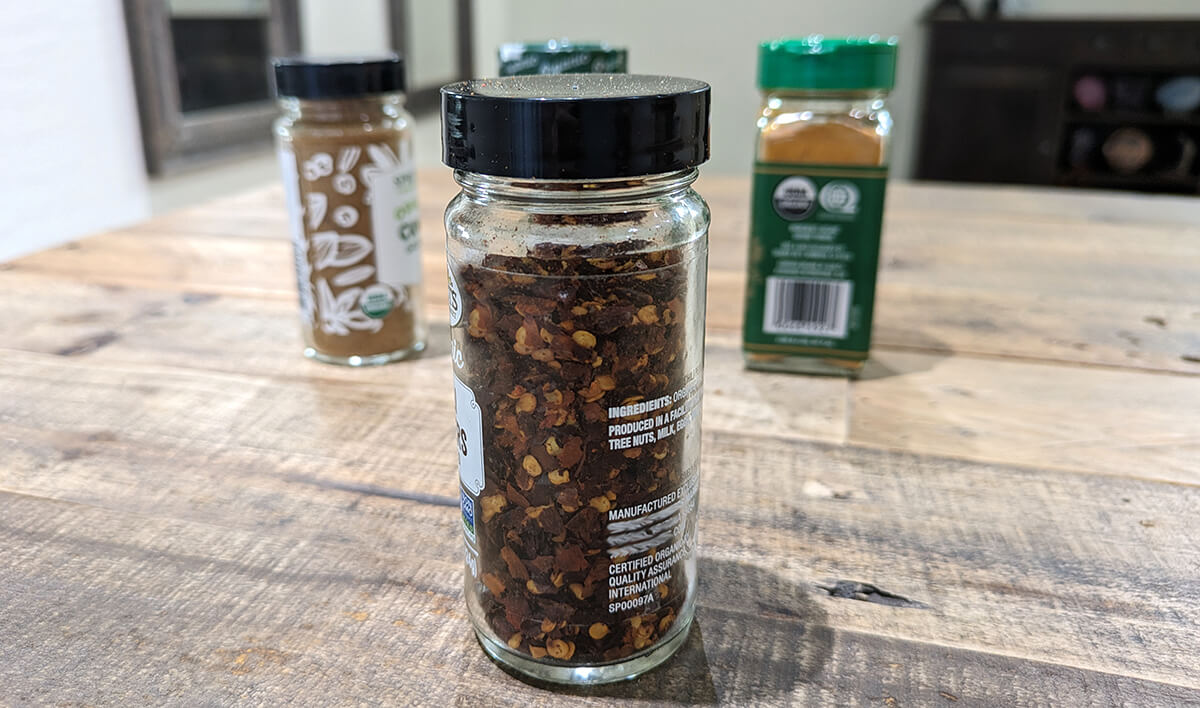
The truth is that almost every bottle is filled correctly regardless of appearance. Ingredients, particularly finely ground items, settle as a bottle is vibrated during transportation and then rests on a retail shelf.
This process is called “compaction.” Fine powder items such as cinnamon and cocoa powder are especially prone to compact over time. More space becomes apparent as a spice or seasoning settles in the bottle. It is natural and unavoidable.
The net weight is a key piece of information on the spice bottle’s label. Regardless of the aesthetic look of the product in the bottle, the net weight indicates how much was filled into the jar (the weight of a product without the weight of its packaging).
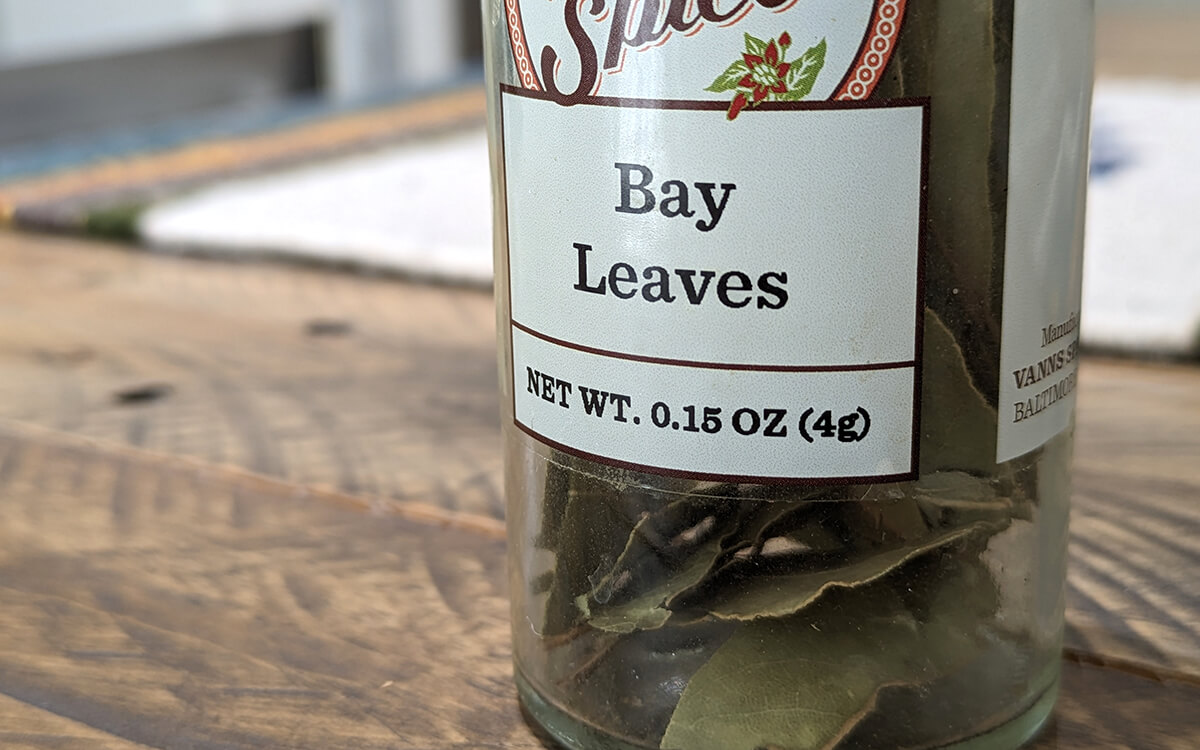
Now, we’ll get mildly technical with the concept of ‘bulk density.’ Bulk density is the weight of a given volume of powdery substance. A spice like paprika has a higher bulk density than a leafy item like parsley.
As indicated earlier, products with higher bulk density will compact differently, resulting in variable headspace in a jar.
You must understand the filling process to understand the amount of headspace in a jar. Most spices are filled on an automated production line and dispensed into jars one at a time. Once the jar is filled, it moves down the line, and the next empty bottle comes in to receive its spicy contents. The filled jars are bounced around as they move along the conveyor toward the capper, labeler, and sealer.
Due to this vibration, the container’s contents experience increasing compaction, increasing the jar’s headspace. In this way, even if you fill the jar 100% at the point of fill, you might see 20% headspace (compaction) by the time the container gets to the end of the line. Additional compaction occurs during shipping as the containers move from the manufacturer to the distributor and to retail shelves.
Another instructive technical term is ‘tap weight.’ Small amounts of spices are usually measured by volume rather than weight because most households don’t have precise scales for weight measurements. Spice jars are often measured by volume, while spices sold in bulk are measured by weight.
For example, 1 teaspoon of peppercorns equals 1.5 teaspoons of ground pepper, and 1 teaspoon of cumin seeds equals 1.25 teaspoons of ground cumin. Understanding tap weight conversions and corresponding net weights in jars ensures you get what you paid for.
A simple exercise with a jar that doesn’t appear full is to shake it. The products will “de-compact,” and the bottle should have an aesthetic fill.
The bottom line is this… If the jar indicates a net weight of 3 ounces, there are likely 3 ounces in the bottle regardless of appearance.
We can’t vouch for that bag of chips.
Ask Alejandro!

Have a question or comment about something you just read? Send me a message and let me know how I can help you.
Message Me