Behind every successful private-label spice brand lies a network of dependable supplier relationships that ensure quality, consistency, and competitive advantage. Understanding the critical importance of these relationships can mean the difference between market success and costly setbacks. In the competitive world of private-label spices, product consistency isn’t just a nice-to-have—it’s the cornerstone of brand reputation and customer loyalty.
The spice industry presents unique challenges that make supplier relationships particularly crucial. Unlike manufactured goods with controlled production environments, spices are subject to nature’s variables—seasonal fluctuations, climate conditions, and regional growing practices all affect the final product. A supplier’s ability to navigate these variables while maintaining consistent quality becomes your brand’s invisible insurance policy.
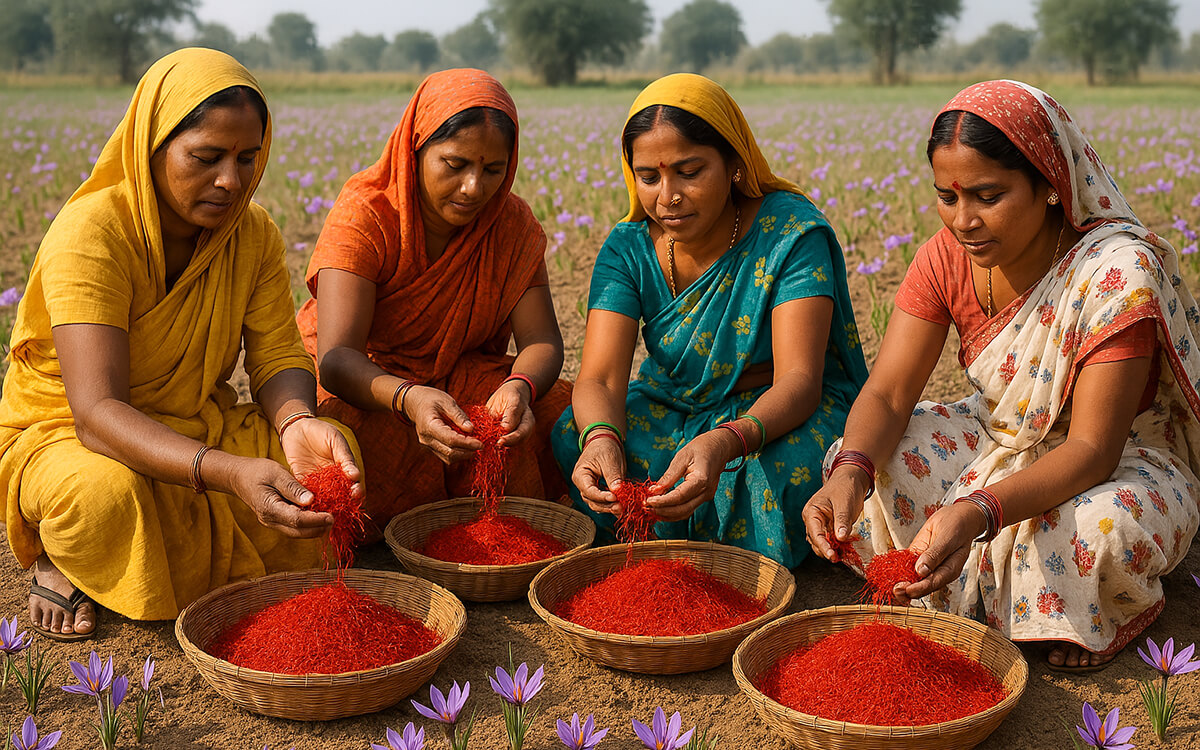
When consumers purchase your private-label spices, they expect the same flavor profile, aroma, and color with every purchase. One inconsistent batch can compromise years of customer trust and brand building.
Quality Assurance Through Partnership
The most successful private-label spice companies approach supplier relationships as partnerships rather than transactional exchanges. Effective supplier relationships begin with clearly articulated quality specifications. This includes detailed parameters for:
- Color consistency and intensity
- Flavor profile and potency
- Moisture content
- Particle size and texture
- Microbiological standards
- Contaminant limits
- Processing methods
Collaborating with suppliers creates a shared understanding of expectations and enables suppliers to implement appropriate quality control measures.
A responsible private-label spice company works with suppliers to establish rigorous testing protocols at multiple points in the supply chain. This includes:
- Field testing during cultivation
- Pre-shipment inspection and sampling
- Third-party laboratory verification
- Inspection upon arrival
- Sensory evaluation by trained specialists
These layered testing approaches ensure that quality issues are identified early before they become expensive problems in the final spice product. Without these safety protocols, manipulated spices can slip through the cracks, resulting in a nightmarish scenario. This is evidenced by the recent debacle with cinnamon tainted with lead chromate detected in applesauce products intended for children. Evidence indicated that lead was added to the cinnamon to increase (weight) revenue.
Supply Chain Resilience and Risk Management
Beyond quality concerns, reliable supplier relationships provide critical business continuity assurance. The spice market is notoriously volatile, with supply disruptions caused by:
- Weather events in growing regions
- Political instability in producer countries
- Changing import regulations
- Transportation disruptions
- Market speculation and price fluctuations
Take, for example, the problem Huy Fong Foods, the maker of sriracha, experienced a few years ago. A drought in México decimated the jalapeño pepper crop and caused the suspension of their signature sriracha sauce production. Huy Fung Foods could not find a suitable replacement source for the jalapeño peppers, and their sriracha disappeared from store shelves.
Companies with strong supplier relationships gain early insight into potential disruptions. These relationships function as an early warning system, allowing a company to implement contingency plans before a problem forces their hand.
Cost Management Without Compromising Quality
While price should always be a factor in private label products, successful companies understand that supplier relationships should be evaluated on total value rather than upfront cost. The actual cost of a supplier relationship includes:
- Consistency of pricing over time
- Reliability of delivery schedules
- Administrative costs of managing the relationship
- Quality control requirements and rejection rates
- Technical support and problem-solving capabilities
- Flexibility during market fluctuations
- Navigating tariffs
Suppliers offering rock-bottom prices often do so by cutting corners on quality control, storage conditions, or ethical sourcing practices. These compromises can eventually manifest as product issues that damage your brand.
Developing strong supplier relationships is a deliberate process that requires investment and strategy. Companies that excel in this area typically follow a few key principles:
Long-Term Commitment
The best supplier relationships develop over years. Demonstrating a commitment to long-term business positions a company as a valued customer worthy of special consideration, including the following:
- Multi-year purchasing agreements
- Consistent order volumes
- Regular communication between seasons
- Participation in supplier development initiatives
Cultural and Operational Alignment
Successful supplier relationships depend on compatible business cultures and operational methodology. Approached correctly, these relationships should afford:
- Shared values regarding quality and ethics
- Compatible communication styles and expectations
- Similar approaches to problem-solving
- Mutual respect for expertise
When evaluating potential suppliers, look beyond capabilities to assess cultural fit and operational alignment. These criteria often determine how well the relationship will function when the unexpected happens.
Mutual Investment in Success
The most substantial supplier relationships involve mutual investment in each other’s success. A few examples of key reciprocity include;
- Sharing market insights and consumer feedback
- Collaborating on product development
- Investing in supplier capabilities through technical assistance
- Creating financial structures that share both risks and rewards
The Competitive Advantage of Strong Supplier Relationships
In an industry where product differentiation can be challenging, superior supplier relationships provide a sustainable competitive advantage that’s difficult for competitors to replicate. This advantage manifests as:
- First access to premium ingredients
- Greater flexibility in responding to market trends
- Faster resolution of quality issues
- More consistent product experiences for consumers
- Enhanced ability to weather supply disruptions
Supplier relationships should be considered strategic assets requiring deliberate cultivation and ongoing investment for companies entering the private-label spice market. While product development, packaging design, and marketing often receive the lion’s share of attention when launching a private-label brand, supplier relationships ultimately determine long-term success.
By strategically approaching supplier selection and management, private-label spice companies can build a foundation for growth that delivers consistent quality, manages risk effectively, and creates a sustainable competitive advantage in a challenging marketplace.
Private-Label Spices with Vanns Spices
Vanns Spices maintains a decades-old supplier network with farms worldwide, most of which are multigenerational, family-owned operations. Our rigorous supplier approval program, part of the SQF program, holds all of our suppliers to the highest standard.
Unlike many competitors, who import ground spices, our spices are milled from whole spices at our supplier-partners’ facilities.
Upon arrival, we evaluate samples of each spice product for visual compliance, taste, and sensory experience. In addition, we assess all spice products we receive for microbial issues and the presence of pathogens.
The vast majority of Vanns’s packaging materials (bottles, caps, labels, and cartons) are produced in the United States and supplied by domestic suppliers.
Vanns Spices is an SQF-certified facility (Food Manufacturing, Edition 9).
Ready to explore private-labeling? Start a conversation with Vanns, the fastest time in the industry from discovery to production!
Ask Alejandro!

Have a question or comment about something you just read? Send me a message and let me know how I can help you.
Message Me